
Flower murals in the plaza of Ayacucho
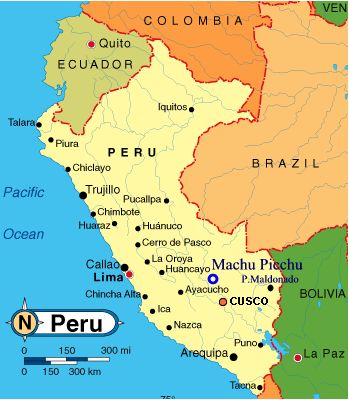
For Easter vacations, I opted out of getting a tan and eating endless plates of fresh fish on the coast. Crazy right? Instead of heading to the beach, I decided to go to the department of Ayacucho, where the largest and most traditional Easter celebration in Peru takes place. Ayacucho is also the name of the capital city where the festivities take place. It’s about 8 hours southeast of Lima, so I had to take overnight and day buses from Ancash. Like Ancash, Ayacucho is largely sierra (mountain ranges) and has a significant population that continues to speak Quechua (Ayacucho Quechua) and wear traditional dress. Ayacucho doesn’t get nearly as much rain as Ancash, however. It was hot and sunny the entire weekend. Besides the Easter celebration, the city is known for its seemingly endless number of churches, delicious bread and cheese, and for the violent acts of terrorism that were inflicted by the Sendero Luminoso in the 1980s. It’s a beautiful, traditional mountain city, and definitely worth a visit during Semana Santa. A Senora making peanut ice cream
 A Senora making peanut ice cream
My trip to Ayacucho was enhanced by my own personal tour guide- my best friend from site was born in Ayachucho and the majority of his family still lives there. He brought me and a couple of the volunteers to his aunt’s house to eat a typical cabbage/potato/meat dish called puchero. The Peruvian cuisine in Ayacucho definitely one-ups Ancash. I usually cook for myself, so it was strange eating so much Peruvian food over a 4 day span. We tried puca picante (spicy potatoes with chicharron), lullu (spinach and potatoes), chorizo, qapchi (potatoes with a cheesy cream sauce), pachamanca (meat, potatoes, and tamales cooked in the ground), muyuchi (peanut ice cream whipped up right in front of you), arroz sambito (a better version of arroz con leche), and a lot more. After a year and a half in Peru, I typical avoid potatoes like the plague, not because I don’t like them but because they are everywhere. I couldn’t help but dig into some of these delectable dishes though. Peruvians definitely know how to prepare potatoes. Ceramics in Quinoa
 Ceramics in Quinoa
Other than eating, we visited some of the tourist destinations. The first day in Ayachucho, we went to see some Wari ruins, bought some fantastic ceramics in Quinoa, and visited the field where the Battle of Ayacucho took place in 1824 (supposedly the most important battle in Peruvian independence from Spain). Since I live 15 minutes from the Chavin ruins, I wasn’t that impressed by the Wari ruins. However, the ceramics and the food in Quinoa, as well as the battle field, were definitely worth the ride out of Ayacucho. The battle field offers an incredible view of Ayaucho and the landscape around it. It’s also only 5 minutes up the road from Quinoa, where we all bought little ceramic castles as souvenirs, which many people put on top of a newly constructed house for good luck. We were starving by this point, so we went to an outdoor lunch market and ordered different plates in order to try them all. When we got back to the city, we rested and strolled around the plaza. We tried to visit 7 churches, because on Holy Thursday it is tradition to visit at least 7 of the million churches in Ayacucho. We stumbled upon some traditional dancing as well, and stayed there until we couldn’t keep our eyes open anymore and went to bed.  Live Stations of the Cross
The next day, we went to check out a live version of the Stations of the Cross. The procession started at one church, made its way to the main plaza, and then back to the same church. It was actually really impressive, complete with 300-esque costumes and cursing at Jesus. We followed the procession almost to the end, but the Stations of the Cross are pretty long so we ducked out at the plaza. After a quick bite to eat, we headed up to the lookout point above Ayacucho. It was gorgeous, so of course we took lots of photos. We walked back to the plaza with peanut ice cream in hand, exhausted but content. We checked out some of the murals that different organizations were painting with flowers in the main square, which were absolutely amazing. At this point napping was a must, so we slept until it was time to check out the next procession. Around 8 or so, the crucified Jesus came out of one of the churches in a glass case. As he was carried over the flower murals, people lit candles. The plaza was packed with people, which made it difficult to follow the procession. However, it was still a very solemn and respectful event, despite the large crowd. The next day, Saturday, was the big party day. Live Stations of the CrossSaturday started off with a real bang- a bull run! We all bought red T-shirts that people were selling on the streets and ran with some bulls! The bulls are let loose a couple blocks from the plaza, and then people run ahead of/with/behind the bull. I didn’t really manage to outrun the bull and only made it half a block before it passed me. Some people kept up with the bull for a few blocks, but the only one who stayed with it the whole time was the man on horseback that held the leash on the bull. It really wasn’t dangerous at all, but you still get an adrenaline rush when you are being chased down by a bull! We watched two more go by before we headed up to the big fair at the lookout point. We walked around to check out all the carnival games and food stations. We might have been the only foreigners there, but not the only tourists. Peruvians also come from other departments to Ayacucho to see the Easter processions. And Saturday is when all the drinking and partying starts, so by late afternoon when we returned to the plaza, the atmosphere was radically different than the night before. Groups of people were dancing around the plaza to the music of traditional bands. Beers were being shared amongst friends and family in typical beer circle fashion. Technicians were setting up the 20-some-odd firework castles. People from the rural areas outside of Ayacucho sat around the plaza with blankets, children, and food, camping out until the morning. Most people keep partying until dawn, when a massive, candle-covered platform with Jesus on top exits the cathedral. We decided some type of napping was necessary it we were going to see Jesus’ grand exit at 4 a.m.
Unfortunately in many cases in Peru, you just never seem to know when events are going to start, and neither do Peruvians. So we ended up napping through the lighting of most of the firework castles. We got up at 1 am thinking we’d catch a few of them, but they apparently lit them all off at midnight (very strange). Bummed out, we went back to bed until 4 am at which point Jesus was supposed to come out of the cathedral. An hour and a half later, just before dawn, the mammoth candle platform exits the cathedral. It was worth not really sleeping to see this event. I can’t emphasize the enormity of this platform- probably 20 people were needed to carry the candle-covered chariot. As it made its way around the plaza, it stopped at each corner, prayers were said, and more fireworks were lit off. Everyone was in awe of this crazy contraption. As soon as it returned home to the cathedral, there was definitely a collective sigh of relief as everyone made their way home to bed.

Huge candle-covered Jesus statue
Easter Sunday actually end up being the quietest day of our entire trip to Ayacucho. After some sleep and showers, we went to the market and bought tons of bread and cheese to take home (so much I had to buy a box to put it in). We had a great lunch with my friend’s family, visited some artisan markets, and took some last minute photos. It wasn’t your typical relaxing beach vacation, but it was an experience I will never forget. Seeing Ayacucho with someone from Ayacucho also gave me a different perspective that I wouldn’t have gotten otherwise. It’s hard for me to imagine what the city looked and felt like during the Sendero Luminoso era, since it is such a peaceful and quiet place.
Now it’s back to the grind again. Like I always say, time just seems to be flying and I’m trying to make every second of this experience count. There are definitely down days, when I am just plain tired of men making sexual comments at me when I walk by or when something personal of mine gets stolen, but those days are outnumbered by all of the amazing days I have here. The remaining months are going to be super busy, but I’m looking forward to it.



1 comment:
Hola Shannon!
Sorry to get in touch with you this way but, we are RPCVs from Jamaica and are heading your way. Hear Ancash is really beautiful. We have been traveling in Latin America for a long time and often partnering with PCVs on projects and such, in Peru we met many volunteers in Colca Canyon already. We are heading your way and were wondering if we could possibly meet up? We are taking an overnight bust tomorrow night, so getting in to Huaraz early morning the 19th. Not sure how long we’ll be in the area exactly. Are you guys all in Huaraz this week for your aids training? Where is your site in relation to Huraz? Could you possibly host us or do you live with a host family? Any projects you are working on we could help with? We started a nonprofit after Peace Corps to work on small PC type projects and have a little bit of funding as well.
We would love to hear back from you either way. We will check email tomorrow (donnycomer@gmail.com) or you can call us at (72) 972.937240. If it is possible to come to your site, it would be great if you could text or email us the directions to get there by bus.
Look forward to meeting you!
Donny and Brooke
Post a Comment